Bee La Rosa is a diviner, spiritual content creator, and artist. She offers dream interpretation, tarot readings, and astrological consultations. Her content is here to support others on their growth journey through healing and inner work.
I wanted to talk about gratitude today and the impact it has had on my spiritual practice. There are many established benefits of practicing gratitude for mental health, which is why I started my gratitude practice. One thing I wasn’t expecting to receive from my practice was an increased willingness to engage in acts of spiritual devotion – something I’ve felt reluctant and even phobic towards until recently.
For years I’ve been scared of engaging in acts of spiritual devotion such as: chanting to specific entities or deities, having statues or imagery of deities in my home (especially on my altar), praying to deities, and especially doing any type of ritual work involving entities or deities. The idea of doing any of this used to terrify me. How do I know entities/deities are real? What if I am deceived and become cursed with some kind of paranormal affliction? What if deities are just trying to use me and will hurt me later down the road? Why should I trust them?
There are a lot of ways to conceptualize deities that elicit big, insoluble philosophical questions I don’t care to explore in this article. For me, I eventually came to a point where it became beneficial for me to explore ways to feel connected and supported by something greater than myself. Some people accomplish this through engaging with community causes, and I turned to spirituality. In order to do that, I knew I needed to understand why I was afraid of connecting to Spirit.
One thing that stood out to me was a fear that I was just going to be projecting unfulfilled desires for loving and supportive parents onto Spirit, and that this would leave me in a state of arrested development. I thought I should be trying to figure out how to depend on myself without any external sources of support or validation. I eventually came to understand this as an attachment issue. That is to say, because I have an insecure attachment style, being in a state of dependence on anyone feels uncomfortable and anxiety-inducing. People with a secure attachment style generally feel safer in the world – they trust that others have their best interests at heart and they experience less challenges related to setting boundaries and resolving conflict in relationships, which promotes a sense of safety and agency. When I thought about my fear of Spirit in this way, it became clear that what I needed were corrective experiences.
Another thing I came to realize was that projection is not an inherently bad or unhealthy phenomenon – on the contrary, it is automatic, unconscious, and happens to everyone. Projection is the psychological mechanism by which the contents of the unconscious become known to us. So, even if I did end up acting out unconscious desires for the parental relationships I didn’t experience as a child, these could become corrective experiences for me and help bring me in touch with the loving and supportive Inner Parent that exists in me.
With that being said, it becomes irrelevant whether or not entities/deities are “real” or imagined, as the spiritual practice itself is therapeutic. So, I found myself taking baby steps to develop a greater relationship to Spirit. One of the first things I did was purchase a small statue of an unnamed, generalized “compassion goddess” who lives on my desk. The fact that she was not any one particular goddess is what helped me take this small step outside my comfort zone. I am particularly wary of any practice resembling “worship” or subordinating oneself to a deity or entity. I did not want to develop any kind of relationship that came with strings attached or ritual obligations. What I wanted at this point was to manifest greater compassion for myself. I had hit a wall, struggling to learn something that I did not have much prior experience with. I called out to something beyond my conscious understanding to assist me in my endeavor.
And you know what? In a few short months I began noticing huge shifts in the way I talked to myself and observed myself. I found it helpful to look at my compassion goddess whenever I felt troubled or dysregulated. During my journaling sessions I found myself experiencing breakthrough insights into my emotional state, effortlessly acknowledging my suffering and feeling…loving towards myself. It felt like the way I feel a strong desire to comfort my dog or a child when they are hurt. In time this kind of way of regarding myself became natural. Can I prove that it was Goddess at work? Of course not, but I keenly feel that it was so. This was my first taste of the kind of corrective experiences I was after. I allowed an effigy of compassion in the shape of a goddess into my life and I did not develop psychosis or become totally disempowered by my relationship to it. Actually, my life began improving and I began to feel greater peace and support. My comfort zone now became a bit more inclusive than it was before; I was willing to take my next small step beyond it.
It didn’t take long for another opportunity to cultivate a corrective experience to show up. I received an offering to participate in a multi-week chanting experience. Each week we learned a new mantra – some were not in service to any particular deity, like the medicine Buddha mantra, but many others were mantras devoted to Hindu deities like Shiva and Ganesha. I was comfortable with this because of my ongoing interest in Vedic astrology and philosophy. Hindu mythology in particular has appealed to me since childhood. I signed up and began participating in my new spiritual community.
I did not expect to love chanting as much as I do. It is now my primary method of meditation that I practice multiple times a week. It feels good to use my voice and rock from side to side while I focus on my mantra. Through weeks of learning different chants, I got to experience that I could connect with spiritual entities without losing my mind or becoming destabilized. In fact, it felt good and brought me deep security and inner peace to practice the chants. Often without knowing the exact meaning of the mantras, I would find them pop into my head during times of stress or emotional turbulence – such as feeling angry and resentful – only to later find out that those specific mantras are used to ameliorate the exact conditions I was suffering from. I felt the most comfortable chanting to Ganesha, especially as I began taking Vedic astrology more seriously and learning about Ganesha’s gentle approachability. I soon found myself searching for a small statue of Ganesha to invite into my home.
When he arrived in the mail I was nervous. This was an especially big step for me – bringing a named deity into my home. I spent a lot of time researching the specific qualities and symbols to look for in a Ganesha statue and where to best place him. I chose an area by my plants, where he looks upon my living room and dwells in his preferred compass direction. Around this time I also crafted my very own mala out of crystal beads and knotting cord. I began to make it a regular ritual to sit in front of my Ganesha statue and chant to him with my mala. Over time I began to include chants to Shiva, Durga, Saraswati, Hanuman, Lakshmi, and the powerful Gayatri. This practice has become very important for keeping me centered and grounded. It has been about a year since I started this practice and I’ve noticed big changes in that time.
One such change was a general overall peacefulness and ability to accept the way things are. I also experienced external events that have brought me to greater opportunities and balance in my life. Whenever I began to feel unsettled or overwhelmed by these shifts, I noticed myself turning to my chanting practice. I also began practicing sincere gratitude for my spiritual team: I started leaving regular offerings of tea on my altar and giving thanks every few days. I’ve had an altar for a handful of years prior to this shift, but it was a general altar for my own growth and acknowledging my ancestors. It’s only in this past year that I have explicitly began using the space on my altar to make offerings and give thanks to Spirit. A small angel figure that was a relic of my late friend’s faith has now become a reminder of the presence of my angels in my life, even archangels such as Michael and Raphael. The lotus charm gifted by a friend is now a symbol of Lakshmi, as well as my owls. One owl in particular – an empty beauty container I picked up at a thrift store – now serves as my God Box where I submit worries and surrender things that are beyond my control. Recently, a small card depicting Ganesha has taken roost beside my angel. These are radical changes from how I was two years ago.
It’s taken a lot for me to be able to trust that something bigger than myself will not hurt or punish me for making mistakes; is understanding, supportive, and ready to reflect to me the love I practice. Over time those little offerings and gratitude prayers have accumulated into a paradigm shift within me in how I relate to Spirit. One day something clicked for me: I felt such sincerely deep gratitude for the presence of Spirit in my life that I wanted to do something nice in return. I wanted to keep leaving offerings and using my chanting practice to put my focus on Spirit of my own volition, the way I tend to and care for the people in my life who have shown me kindness and fidelity. I suddenly understood how people can feel deep love for the guides and deities in their life. I also understood this in reference to my astrological studies – the 5th house, the house of children, devotion, and one’s heart desire, is also the house of spiritual practice and mantra. In the 5th house we freely devote ourselves to our children, loving them immensely, and that same relationship is reflected in how we relate to Spirit.
Yes, this reinforced my previous notions about the relationship between attachment, projection, parents, and Spirit – but it also gave it new meaning. As I keep learning in my astrological studies, when one has been separated or forsaken by their biological parents this creates an opportunity for one to connect with a transpersonal parent. One who can embody the traits we needed from our parents, who were limited by their humanity. A transpersonal parent need not be Spirit, but connecting with Spirit is absolutely a respectable, tried-and-true tradition of doing so. Through this relationship one can internalize a new parental figure and reparent themselves, bringing healing to old traumas and attachment wounds. It takes courage to do it and have faith in the process, but the outcome is so worth it.
🌕 Full Moon Forecast 🌕 Evaluating Relationships, Spiritual Evolution 🪐✨
Greetings! My name is Bee La Rosa, the Moon Lodge Mystic. I am a spiritual content creator, diviner, and artist. I offer tarot readings, dream interpretation, and Vedic astrology consultations. I also craft custom jewelry, malas, and art commissions. Please feel free to reach out! I love connecting with others.
*DISCLAIMER: Links included in this description might be affiliate links with Amazon. If you purchase a product or service with the links that I provide I may receive a small commission at no extra charge to you. Thank you for supporting me by making purchases through these links.
This is a general reading for entertainment purposes only. Watching my content does not constitute an advisory relationship such as therapy or legal counsel. I am not a certified medical or therapeutic professional. My readings are for confirmation of what you already intuitively know for yourself, not to get answers. General readings like this are like forecasting the weather for the entire planet – I can say that it is summer in the northern hemisphere, but summer looks very different from region to region. So please use your best judgment, take what resonates and leave the rest.
A common mistake to make when approaching a system of divination like tarot is approaching it with the intention of having it give you answers for what decisions you should make.
I will preface this article by admitting that I am incredibly guilty of trying to use tarot to make decisions for me, particularly when I am feeling my most vulnerable. Everyone goes through challenges where they wish someone or something would tell them irrefutably what action they should take or what choice will bring them the deepest sense of security and contentment. It’s easy to project this kind of authority onto systems of divination, or even onto friends, family, spiritual mentors or Spirit itself. It is tempting to seek the comfort of absolute certainty about our choices and curtail any risk of failure or setback, but we need to resist this temptation as much as possible.
The ability to make a choice of action is one of the few things in life we have any control over. When you look to external sources to give you answers and tell you what choices to make, you disempower yourself and perpetuate a fear-based cycle of doubting your own authority to know what is best for you. There are many reasons why someone can end up in this cycle – a history of interpersonal trauma, such as gaslighting or attachment injury, is a big one. The message you send to yourself when you disregard your own agency is that you are not trustworthy or able to be relied upon to make sound decisions – and if you grew up in a dysfunctional household, then you may very well just be repeating the pattern you felt towards your ownguardians when they failed to be reliable and trustworthy towards you. I know all too well what this feels like, and it can absolutely be terrifying to depend on yourself as an adult if you never experienced what it is like to be in the presence of a safe and trustworthy adult. However, part of healing this means we have to make choices and live with whatever results from them, and sometimes it’s really difficult to bear. The lived experience of making choices – whether for good or for worse – is critical in developing confidence about your identity and needs, as well as learning to trust yourself. How else do you discover what you like, dislike, want, need, or desire if all your choices are made for you? You are depriving yourself of the opportunity to connect to your natural-born intuition when you outsource your agency to external figures or systems.
Receiving answers or revealing choices?
In terms of tarot and divination, asking for answers usually looks like coming to a reader or busting out a deck with a question along the lines of “What should I do about my situation?” Especially questions like, “Should I end my relationship?” or “Should I leave my job?” You’ll notice these questions all have “should” in them – which is a great indicator that these questions are asking an external source to confirm or make a decision that is not theirs to make.
While it is perfectly normal and acceptable to seek guidance and advice on issues that face us, there is a subtle difference between seeking guidance to gather data and explore a situation and seeking guidance to have a decision made on one’s behalf. Typically, we turn to external sources to make decisions for us when we are scared, confused, and unsure – which will inevitably be reflected back to us. With tarot and oracles in particular, my experience has been that the cards really function to reflect what I already know back to me – in messages and symbols that are arranged in such a way that I either perceive additional insight and confirmation into my situation, or experience further confusion and doubt. If I am confused, scared, and doubtful about the decision I have to make, I always pull cards that state this plainly, and often in my fearful state I take these cards to mean that I am making a bad choice. No matter what the situation is, every option will seem scary or incorrect if you approach it with this state of mind. This is why the way you frame a question and ask for guidance can make such a huge difference in how much clarity you gain from a reading.
I believe tarot and other divination systems can be incredibly useful for processing and organizing how we are experiencing a situation, leading to new perspectives or revealing ways to think about a situation that bring about clear, confident solutions. Tarot – or astrology, runes, or whatever other divination system you prefer – is best used to reveal choices, not provide answers. However, in order to make the most out of tarot you have to be conscious of the mindset with which you approach it.
An example situation might be that someone is burnt out on their job, though they feel a lot of affection for their colleagues and the work that they do. In spite of this, this person is struggling to make ends meet and feels incredibly stressed about the situation. They start drawing tarot cards over and over, asking, “Should I leave my job?” In my experience, time and again, this type of approach leads to confusing messages – cards that simply don’t make sense, or trigger fearful reactions. This person just wants to be told what will make them the most happy – what is the correct way to act? But the mindset in this approach is inherently powerless – they do not trust their own ability to know what would make them happy, and it shows in the cards. They need to reorient their mindset to an empowered one before they can receive empowering messages.
Shifting Mindsets
What would an empowering mindset look like? If you relate to feeling confused, unsure, or like you strongly fear making the wrong choice, try imagining this instead: what would it feel like if you trusted yourself to know what you really want, so long as you have access to enough information? Furthermore, what if you know that you possess what you need to obtain enough information to make a satisfying decision? What if you could always create a solution to any challenge or setback you experience?
Launching from the previous example, it’s likely a person in such a situation, deep down, already knows whether they want to stay at their job or find something else – the problem really is that being able to access this inner knowing is easily blocked when someone is experiencing doubt and fear. Someone can live in this state 24/7 – as I have experienced in my past. There are many exercises and tools you can use to recover your connection to your inner knowing if you think this applies to you. In my previous article on ambivalence, I outline steps you can take to access the part of you that already knows what you need.
The person from the previous example may be passionate about what they are doing and feel incredible kinship towards their colleagues. With a fear-based mindset, this person will notice the burnout and the financial struggle and become worried that they may have to leave their job in spite of loving it, so they begin asking “Should I leave my job?” with the desire to be told what to do to save themselves. In a secure mindset, where the person is aware of what they want out of the situation, the question with which they approach the cards may look drastically different: “How can I improve my job?” or “How can I make more money?” Notice how these are open-ended questions, which create space for the cards to paint a picture of your situation and reveal solutions. When you approach your queries this way, you are claiming your agency and empowering yourself to create solutions, rather than resigning yourself to being a passive participant in the unfolding of your own life. This is really the essence of The Magician, by the way.
The impact of your mindset extends to pick-a-card readings on YouTube or selecting a reader too – when you approach your query from a mindset that is grounded, confident, and curious, you may find yourself drawn to different readers or piles than you would have selected when you were perceiving yourself as powerless, vulnerable, and lacking judgment. At least, that has been my experience.
I know that it is hard to channel this mindset if it does not come naturally to you. I hope that by explaining the issue with using tarot for answer-seeking, that you can notice when you are doing this yourself and utilize the tools I linked earlier to re-center and re-approach your queries with an empowered mindset. It becomes easier over time to catch yourself and reorient your thoughts. Try it out and let me know how it works for you! Since I started approaching tarot this way, I feel more confidence in my decisions even if they don’t always yield the best results. I know now that I possess the ability to create solutions to any challenge that meets me in life, because I trust in my own authority to know what is best for me, and I want others to feel the same way.
🍂🕯️ Seasonal Autumn Forecast 2022 🕯️🍂 YOUR Life from Equinox to Solstice! 🔮✨
Greetings! My name is Bee La Rosa, the Moon Lodge Mystic. I am a spiritual content creator, diviner, and artist. I offer tarot readings, dream interpretation, and Vedic astrology consultations. I also craft custom jewelry, malas, and art commissions. Please feel free to reach out! I love connecting with others.
*DISCLAIMER: Links included in this description might be affiliate links with Amazon. If you purchase a product or service with the links that I provide I may receive a small commission at no extra charge to you. Thank you for supporting me by making purchases through these links.
This is a general reading for entertainment purposes only. Watching my content does not constitute an advisory relationship such as therapy or legal counsel. I am not a certified medical or therapeutic professional. My readings are for confirmation of what you already intuitively know for yourself, not to get answers. General readings like this are like forecasting the weather for the entire planet – I can say that it is summer in the northern hemisphere, but summer looks very different from region to region. So please use your best judgment, take what resonates and leave the rest.
Welcome back to my intro to astrology series! Last time I went over the zodiac signs and their attributes. Today I will be diving into the planets and their various attributes. This series is here for people who are clueless about astrology and would like to develop a working knowledge of it. Soplease, do not use my series to administer astrological consultations to other people, as this will not prepare you to be able to ethically do that. This is to empower you to understand your own chart and understand what astrologers are talking about when you consult them.
The Planets
In sanskrit the planets are referred to as grahas, which means “to grasp,” in the sense that these celestial objects are regarded as representations of universal truths that grab hold of us. As human beings, we are grabbed by the influence of the planets – and this is reflected in the rich tradition of stargazing and mythmaking that has been present throughout the history of humanity as we covered in the history of astrology. Humans have always been gripped by the heavens.
In astrology when we talk about planets, we include the Sun, Moon, and the two lunar nodes even though they are not technically planets. The Sun and the Moon are known as luminaries because they give off light. The lunar nodes are mathematical points in the sky where the paths of the Sun and the Moon meet – meaning eclipses happen when the Sun and Moon come in conjunction with these points. They are not true planets, but for the purpose of astrology it’s convenient to refer to them all as planets.
In traditional astrology we use the 9 planet scheme (the 7 planets and the two lunar nodes) primarily for natal readings. The 7 planets are what’s visible in the sky to the naked eye: the Sun, the Moon, Mercury, Venus, Mars, Jupiter, and Saturn. We see the Sun during the daytime (and sometimes the Moon!), and during the nighttime we can observe the Moon and the other planets in the sky. They appear as bright shining stars – but unlike the stars, which remain stationed relative to each other, the planets move across constellations. Ancient astrologers used to study the night sky to track the movements of the planets, using the data they gathered to calculate their trajectories and predict their movements.
The outer planets Neptune, Uranus, and Pluto can be used but they are often interpreted more as generational planets because they are so slow-moving. It takes between 7 and 20 years for these planets to travel across a single zodiac sign – so their placement in the natal chart is not particularly distinguishing to the individual as they will share the placement with everyone else who was born in the last two or so generations as them. Exceptions are made when an outer planet is closely associated with one of the other 9 planets, but for now it is not necessary to go into detail about them. Below is a table of the 9 planets and their attributes.
Planet Name
Glyph
Description
Sun
☉
The Sun is representative of our personal power and self-expression. Some archetypal associations with the Sun include patriarchs such as father and king. The Sun is a hot planet and burns quite bright – getting too close can burn others, which is why the Sun is so associated with the Self. Leo, which is ruled by the Sun, is commonly associated with children. If you think of a baby, they are totally unashamed to be themselves and this is the essence of the Sun. Babies and toddlers can also be incredibly self-centered, though. Emphasis on the Self naturally leaves less room for others, but shining our light can also act as a beacon of inspiration to others.
Moon
☽
The Moon is our psyche – which includes our sensory perceptions and emotions. This planet represents the mother and our relationship to family in the natal chart. The Moon is highly sentimental because of the association with mother – when we are born, we are one with our mothers and if our mother is a good mother, she nurtures and protects us. When we feel safe and secure, we can delight in our sensory experiences and emotions without fear of danger. We are free to be vulnerable, therefore the moon represents our vulnerable nature as well.
Mercury
☿
Mercury is the discriminating intellect – the part of our mind that learns and measures the value of things. Mercury is associated with merchants, commerce, communication, education, and also an element of trickery and fickleness. Mercury is very quick, second in speed only to the Moon, representing the speed at which one’s analytical mind operates. Mercury’s fickleness means that interests or ideas may be fleeting, but also it can mean flexibility and adaptability to changing environments – a great trait for commercial development and investing.
Venus
♀
Venus represents our relationships and how we express affection and appreciation to others. Venus is associated with aesthetic pleasures, romance, and love especially. Reciprocity is a big aspect of Venus – the act of receiving and giving in equal measures in one-to-one relationships. This idea of reciprocity is central to the creative process and divine inspiration – therefore, Venus is also heavily associated with artists of all kinds.
Mars
♂
Mars is the warrior planet – driven, passionate, assertive, and courageous, he goes for what he wants and is highly focused on goals. Mars is often associated with athleticism, physical strength, competition, and conquest. As such, Mars is also associated with military and warfare. Mars is incredibly tactical and executes action with great precision.
Jupiter
♃
Jupiter represents higher consciousness and spiritual knowledge. The Sage is Jupiter’s archetype. Where Mercury is concerned with counting, measuring, and naming, Jupiter is concerned with philosophy, religion, and deep spiritual contemplation. Jupiter seeks to explore ideas and abstract thought. Through spiritual seeking, one finds transcendence and becomes uplifted, therefore Jupiter is associated with beneficence, expansiveness, and idealism. Jupiter is also associated with wealth and abundance.
Saturn
♄
Saturn is the planet of karmic debt and structure. Where Jupiter is expansive and uplifting, Saturn restricts and brings things back down to earth. Saturn represents longevity, obstacles, discipline, responsibility, and commitments. Saturn’s influence can feel like a dense and heavy burden in our lives, but the lessons we learn through Saturn’s hardships are what turn coal into diamonds. In truth, the world needs Saturn’s influence – we need limits in our lives, as without them we would not experience containment and would easily dissipate into nothingness. Thus, Saturn is also strongly correlated to physical matter as well.
North Node (Rahu)
☊
The North Node (referred to as Rahu in Vedic Astrology) is representative of the mythic dragon’s/serpent’s head. This is the first planet on our list that is not a true celestial object – it is merely a mathematical approximation in the sky, used to predict eclipses. When the Sun or Moon crosses the lunar nodes in the sky, it is said that they are being swallowed by the dragon’s head. The Sun and Moon become digested and transformed by their encounters with the nodes. The North Node generally shows us where we desire to grow and explore in our life, and in the case of Rahu, creates obsessions and addictions, as well as powerful material manifestations. The dragon’s head is always seeking to reunite with its body, the tail or Ketu, and so it is important to consider them as a pair.
South Node (Ketu)
☋
The South Node (referred to as Ketu in Vedic Astrology) is representative of the mythic dragon’s/serpent’s tail. The lunar nodes are always exactly opposite each other in a natal chart, and for the most part are always in retrograde motion. This comes back to the myth of the dragon who seeks to swallow the Sun and the Moon, both which can never travel in retrograde motion; they are endlessly being chased by the nodes. Where the North Node/Rahu draws us into the material realm, the South Node/Ketu creates withdrawal and detachment. The South Node/Ketu is also associated with extrasensory perception, hidden knowledge, and past lives.
Each planet is commonly associated with a deity or mythic character depending on the region where the astrological practice originates. These associations carry archetypal experiences that inform the significations of the planets. In Hindu mythology, the planets themselves are deities and are also associated with more central deities such as Shiva, Vishnu, Lakshmi, Parvati, and so on. In Greek mythology, the planets are heavily associated with the Olympian pantheon. It is worthwhile to explore the mythological associations with the planets to get a clearer understanding of the archetypal themes they represent in the natal chart.
Additionally, the traits that I have listed in the above table are influenced and sometimes intensified or impaired based on the zodiac sign that a given planet occupies. We will be going over this in the following section.
Dignities & Compatibility
The planets are good at being themselves, and the zodiac signs essentially represent the environment in which a planet is trying to express itself. Some environments are more compatible with the traits expressed by the planets than others. When a planet is placed in a compatible or supportive environment, its traits are able to bear fruitful results to the native. Likewise, when a planet is placed in an environment that is incompatible or unsupportive, we can see the planet struggle to achieve its purpose. We know what zodiac signs are harmonious for a planet by assessing that planet’s dignities and its compatibility with other planets that rule the zodiac signs.
As a general rule of thumb, planets that own fire and water signs get along with other planets that own fire and water signs. Likewise, planets that own earth and air signs get along with other planets that own earth and air signs. It makes sense, because the elemental qualities are in part related to the kinds of traits and themes that are represented by a planet. The fire and water signs are owned by the Sun, the Moon, Mars, and Jupiter, while the earth and air signs are owned by Mercury, Venus, and Saturn. The Moon is a bit of an exception to this rule, and is friendly towards all other planets. Again, this is a rule of thumb, so there will be nuance that can be discerned by more experienced astrologers.
Dignities, on the other hand, refers to a given planet’s preferred signs to be in. First and foremost, planets like to be in signs that they rule, known as domicile. We learned what signs the planets rule in the last article. Additionally, each planet also has a sign that they especially like, and when a planet is in that sign it is considered exalted. A planet in its sign of exaltation is able to embody the highest expression of its natural gifts. The opposite of exaltation is debilitation and the opposite of domicile is fall or detriment. As a rule, the sign of a planet’s debilitation or detriment is opposite its sign of exaltation or domicile, respectively. Why is that the case? It is because the sign that is opposite a given zodiac sign exhibits qualities which are in a polarizing relationship to the given sign. That is why we considered the signs as pairs in the last article – they form opposites that resist each other, but also benefit from learning from each other. When a planet finds itself occupying a sign which is opposite its domicile or exaltation, that planet is out of its element, where its natural traits are challenged or inadequate for the environment. A person who has only ever known warfare and violence, for example, is going to have under-developed empathy and compassion for others. Take this person out of a warzone and place them into a children’s nursery and they are going to find that all the skills and traits they’ve learned through war are wholly inadequate for tending to babies and children. Below is a table of the planets and their dignities:
Planet
Domicile
Fall/Detriment
Exaltation
Debilitation
Sun
Leo
Aquarius
Aries
Libra
Moon
Cancer
Capricorn
Taurus
Scorpio
Mercury
Gemini, Virgo
Sagittarius, Pisces
Virgo
Pisces
Venus
Taurus, Libra
Scorpio, Aries
Pisces
Virgo
Mars
Aries, Scorpio
Libra, Taurus
Capricorn
Cancer
Jupiter
Sagittarius, Pisces
Gemini, Virgo
Cancer
Capricorn
Saturn
Capricorn, Aquarius
Cancer, Leo
Libra
Aries
You’ll see that the lunar nodes are missing from this list – that is because they don’t rule zodiac signs. There are some schools of thought that do assign rulership of some signs to the nodes, but I do not think that is helpful for developing a working knowledge of astrology and can create some confusion. In my opinion it is best to start out with the very bare basics before adding in more nuanced takes on astrological theory.
Know that there is no cause for panic if you have any planets in their fall or debilitation. It simply brings challenges to the areas of life those planets represent; the native generally has to work harder to practice and feel confident wielding the under-developed attributes of a fallen or debilitated planet, which has its own benefits. Even though it can take a long time to learn such lessons, often the people who have had to struggle the hardest to learn something end up mastering it in ways that others with natural acuity do not or take for granted. It takes more conscious effort to become good at something that doesn’t come naturally to us, so please do not despair. Likewise, there are some drawbacks that can be experienced with planets that are in exaltation or domicile – it all depends on context.
If you’ve been following along this far, then I would like you to challenge yourself with the following question: Why is a given planet exalted in the sign of its exaltation, and not some other sign? Choose your favorite planet and use the knowledge you’ve learned from the previous articles so far, then comment below with your answer. Next time we will be learning about the housing system and house lords. Take care.
I am currently studying to become a professional astrologer and if you are interested in receiving a brief consultation please check out my rates and services page. I am grateful for opportunities to practice my skills and increase my experience.
Welcome back to my intro to astrology series! Last time I went over the tropical and sidereal zodiacs and today I will be going over the zodiac signs. This series is here for people who are clueless about astrology and would like to develop a working knowledge of it. Soplease, do not use my series to administer astrological consultations to other people, as this will not prepare you to be able to ethically do that. This is to empower you to understand your own chart and understand what astrologers are talking about when you consult them.
From here on out, the information I write about is going to be primarily sourced by my experience with Vedic astrology and traditional methods. You may find some of the information doesn’t exactly match up if you are used to modern Western astrology. Vedic and Western have a lot in common, but some marked differences as well. Also please note that these articles are not meant to instruct you in Vedic astrology – I am not teaching Vedic astrology here. I am trying to focus on the areas where Vedic and Western overlap and will clarify differences where appropriate. Here we go!
Overview
As we covered in the previous article, the zodiac is made up of 12 signs which are derivative of the 12 constellations that cross the ecliptic. These constellations are associated with various myths and symbols which inform their archetypal significations within astrology. (If you are serious about astrology, then I highly recommend taking up comparative mythology as a side study to enhance your understanding!) Each sign has a set of attributes: a glyph, a symbol, an element, a modality, and a ruling planet. Below you will find a table outlining the different signs and their attributes, then we will break each section down individually.
Sign Name
Glyph
Symbol
Element
Modality
Ruling Planet
Aries
♈︎
Ram
Fire
Cardinal
Mars
Taurus
♉︎
Ox/Bull
Earth
Fixed
Venus
Gemini
♊︎
Twins or Couple (Vedic)
Air
Mutable
Mercury
Cancer
♋︎
Crab
Water
Cardinal
Moon
Leo
♌︎
Lion
Fire
Fixed
Sun
Virgo
♍︎
Woman/Virgin
Earth
Mutable
Mercury
Libra
♎︎
Measuring Scales
Air
Cardinal
Venus
Scorpio
♏︎
Scorpion
Water
Fixed
Mars*
Sagittarius
♐︎
Centaur with Bow & Arrow
Fire
Mutable
Jupiter
Capricorn
♑︎
Sea Goat or Makara (Vedic)
Earth
Cardinal
Saturn
Aquarius
♒︎
Water Bearer/Jug of Water
Air
Fixed
Saturn*
Pisces
♓︎
Two Fish
Water
Mutable
Jupiter*
*In modern traditions, Scorpio is ruled by Pluto, Aquarius by Uranus, and Pisces by Neptune. I do not use these ruler schemes. Instead I use the traditional scheme of rulership that was in place before these planets were discovered (within the last 3 centuries). I will expand more on this later.
Elements
Each zodiac sign has an element, of which there are four: fire, earth, air, and water. Each element belongs to a group of three signs. Each zodiac sign of a given element has some qualities in common with each other.
Fire is hot, passionate, and inspired. The quality of fire is much like actual fire – it can take quite a bit of effort to get started, but quickly consumes everything around it once it gets going if the fire is not contained or controlled in some way. Fire needs fuel to keep it going or it will smolder and die out. Fire signs generally exhibit a lot of vitality, warmth, and enthusiasm. Too little fire means little action or willpower, too much fire becomes all-consuming and scorches the environment and surrounding people. Just enough fire keeps everybody warm and joyful. These signs include Aries, Leo, and Sagittarius.
Earth is down-to-earth, sensual, and material. Earth signs are concerned with what can be touched, seen, heard, smelled, or tasted – the material plane. They carry a quality of being grounded and slow-moving. Earth can be hard as a rock, or loose and workable like soil. Highly pragmatic, earth signs are interested in establishing a solid foundation upon which something can be built that will last eternity. These signs include Taurus, Virgo, and Capricorn.
Air is quick, cerebral, and communicative. These signs tend to inhabit the mental plane more than the material. We interact with air through our breath and speech – talking is technically all exhalation! See how well you can be heard without any air in your lungs. Breath is also one of those unique bodily functions that is both autonomous and voluntary. Controlling the breath is an effective way to regulate our mind when it is stirred. We see these kinds of concepts at the core of the air signs. These signs include Gemini, Libra, and Aquarius.
Water is flowing, spiritual, and sentimental. Water takes the shape of whatever container it is held by. Without a solid container, water slips through, always flowing down the path of least resistance. Water is often associated with the emotions but it really encompasses more than that and includes your perception and how it guides your feelings. Water signs can be quite sensitive and deeply spiritual as a result. These signs include Cancer, Scorpio, and Pisces.
Modalities
Next we will go over modalities. There are three modalities: cardinal, fixed, and mutable. Modalities can be thought of as the “modus operandi” of the zodiac signs. Each modality belongs to a group of four signs. Zodiac signs of a common modality tend to orient themselves to the world in a similar way.
Cardinal signs are pioneering, initiating, and natural leaders. Cardinal signs are very independent in that, their course is not easily swayed by others. These signs represent the four cardinal directions: North, South, East, and West. The idea is that they point the way and carve out paths. The cardinal signs include Aries, Cancer, Libra, and Capricorn.
Fixed signs are stationary, rooted in place, and conservative in the sense that they focus on conserving what is already there. Fixed signs are very slow to change or there is a very gradual accumulation of momentum to their actions. Sustained, incremental results is the name of the game with these signs. The fixed signs include Taurus, Leo, Scorpio, and Aquarius.
Mutable, sometimes called movable, signs are adaptable, flexible, and even somewhat fickle. These signs are most susceptible to being influenced by others. While cardinal signs are motivated leaders forging their own path, and fixed signs are stationary, mutable signs are open to being carried wherever the wind will take them. They can be seen as somewhat passive, but their adaptability also allows them to take advantage of opportunities that others might be blind to. The mutable signs include Gemini, Virgo, Sagittarius, and Pisces.
Ruling Planets
In traditional astrology – that is, astrology that was practiced prior to the 19th century – only five planets and the two luminaries are recognized: the Sun (luminary), the Moon (luminary), Mercury, Venus, Mars, Jupiter, and Saturn. That is because these are the planets that are visible in the sky to the naked eye (and are bright enough to be distinguished from stars). Later on, we eventually discovered Neptune, Uranus, and Pluto and modern astrologers began to use these planets in place of or as co-rulers of certain signs which were highlighted in the table from earlier. Many of the significations that are associated with these modern outer planets were traditionally associated with Jupiter, Saturn, and Mars. For the purposes of this series, I will not be including use of the outer planets as I prefer to focus on traditional foundations.
Each zodiac sign is ruled by a planet, with which they share significations. To planets, zodiac signs are kind of like bedrooms in a mansion, and the bedrooms are decorated to the planet’s liking. Planets having rulership over signs is part of why the movements of the planets are important – the planets act as ambassadors for the signs over which they rule as they travel around the zodiac, conducting business.
The scheme of rulership begins with the luminaries and then is distributed sequentially across the planets from closest to furthest away from the sun. It is helpful to imagine that the zodiac is a ladder, with the Sun at the bottom of one leg and the Moon at the bottom of the other leg. Going up the ladder, we have Mercury, Venus, Mars, Jupiter, and then Saturn. Like so:
Rulership Ladder
Sign
Planet
Planet
Sign
Aquarius ♒︎
Saturn ♄
Saturn ♄
Capricorn ♑︎
Pisces ♓︎
Jupiter ♃
Jupiter ♃
Sagittarius ♐︎
Aries ♈︎
Mars ♂
Mars ♂
Scorpio ♏︎
Taurus ♉︎
Venus ♀
Venus ♀
Libra ♎︎
Gemini ♊︎
Mercury ☿
Mercury ☿
Virgo ♍︎
Cancer ♋︎
Moon ☽
Sun ⨀
Leo ♌︎
Learning the rulership scheme is helpful for understanding how all the signs in the zodiac are activated and contributing to the overall world the native experiences. You’ll notice that some of the zodiac signs are associated with traits that can seem quite negative, but that isn’t necessarily the case. We look to the placement of the ruling planets in a chart to assess how a sign’s traits will manifest in the life of the native.
The Signs
We are now on to the bread and butter of this post: the zodiac signs! I know that for a lot of people this is the part of astrology that they are the most familiar and comfortable with. Most everyone knows their sun sign and what signs are compatible with them, etc. A lot of people own zodiac merchandise or love to read their horoscopes in newsletters.
It made sense to start where people are most comfortable, but I do want to stress that the zodiac is really just one component of astrology. There is a tendency to become so identified with one’s zodiac sign that the wood kind of gets lost among the trees. As we get deeper into the series, this will become more obvious as we cover topics like planets, their dignities, houses, and timing. For now, let’s turn to the signs.
Having covered the elements, modalities, and ruling planets, you may be able to have a loose general feeling for what archetypal associations are affixed to each sign. Element and modality together actually give quite a lot of information about a sign. The other details come moreso from the mythological traditions that are associated with the constellations (or seasons). Another aspect to consider is the opposing pairs that the zodiac signs form with each other – each axial pair forms an archetypal paradox that impacts each other. I’ll be lightly touching on those here.
Aries ♈︎
Element: Fire Modality: Cardinal Ruling Planet: Mars
Aries is the considered the first sign in the zodiac. The constellation of Aries is represented by a charging ram. Knowing what we know about the fire element and cardinal modality, we can say that Aries is highly willful, likes to take charge, and is passionate. Opposite Aries is Libra, which is diplomatic, concerned for others, and strives for balance. Each zodiac sign forms a pair of opposites like this – so if we know that Libra is very cooperative, gracious, and yielding, then we know that Aries can be self-centered, concerned with power, and independent. These traits are not intrinsically bad. There are times where it is important to be selfish. The way we assess whether these traits will manifest auspiciously or disastrously is by looking to the placement of the ruling planet, Mars, which we will cover in later articles. Being ruled by Mars, Aries is very much driven by conquest and power, which is why Aries is passionate and willful.
Taurus is the second sign of the zodiac and represented by a bull. With the element of earth and fixed modality, Taurus is often described synonymously with the idiom “as stubborn as a bull.” Taurus is quite concerned with material comforts and therefore also gets associated with wealth – not winning the lottery type of wealth, but the kind of wealth that is steadily gained over the course of life. Taurus can be quite sensual and reserved, as well as grounded. Scorpio sits opposite Taurus and often gets a bad rap for being possessive and explosive, but that is not quite the case. Scorpio is highly spiritual and devotional – which is the complement to Taurus’ deeply grounded and material nature. Ruled by Venus, Taurus is very much interested in what feels good and is aesthetically pleasing, hence why Taurus is considered the most materialistic sign of the zodiac.
Gemini ♊︎
Element: Air Modality: Mutable Ruling Planet: Mercury
Gemini is the third sign of the zodiac and represented by twins, or a man and woman in the Vedic tradition. Gemini is primarily concerned with the dissemination of information. Think newspaper headlines, news feeds, instant communication or letters, etc. Its mutable nature is observable in the way that information tends to fluctuate and move in currents. This sign is highly focused on minute details and facts, as opposed to philosophizing and contemplating universal truths as Sagittarius, Gemini’s opposite, is wont to do. Gemini and Sagittarius are also both signs associated with travel – as in, the spread of information and ideology. Being ruled by Mercury, Gemini can be quite playful and mischievous due to their quick intellect and wit, but also keenly communicative.
Cancer ♋︎
Element: Water Modality: Cardinal Ruling Planet: Moon
Cancer is the fourth sign of the zodiac and represented by a crab. Cancer is associated with all the qualities of mother – nurturing, protection, family, sentimentality. As a cardinal water sign, Cancer is concerned with matriarchal values such as familial traditions and vulnerability. The relationships we form in our family of origin form the foundation for how we relate to transpersonal mothers and fathers (such as God or Goddess), which is how the water element’s spiritual nature comes out in Cancer. Opposite Cancer is Capricorn, another earthly material sign. Unlike Cancer, Capricorn hides emotions and vulnerabilities and prefers to be firmly rooted amongst material institutions rather than familial bonds. Ruled by the Moon, Cancer is deeply related to our perceptions which are imprinted upon by our early childhood family experiences and contribute significantly to how secure and supported we feel in the world.
Leo ♌︎
Element: Fire Modality: Fixed Ruling Planet: Sun
Leo is the fifth sign in the zodiac and is represented by a lion. Like a lion, Leo is proud and regal. This sign is more patriarchal and has deep associations with royalty and power – which bears relationship to its fixed quality and the endurance of dynasties of power. Leo is kingly, which is not to say that it is egomaniacal and controlling (though this could certainly come up), but rather Leo is a leader that is responsible for the needs and administration of his kingdom. Leo’s highest expression embodies courage, power, and a healthy dose of self-importance. In contrast, Leo’s opposite is Aquarius, which is the most democratic sign of the zodiac. If you are aware of history then you understand that monarchies and democracies are fundamentally opposed – Aquarius believes that power should be distributed amongst everyone equally, while Leo wants all the power for itself. Sometimes it is good for there to be a person with a bit more power than everyone else steering the ship, and there are times when democratic values are more important. Ruled by the Sun, Leo is deeply related to authenticity and self-identity, including the ego, but also the Higher Self.
Virgo is the sixth sign of the zodiac and is represented by a maiden woman. Virgo is very much associated with the discriminating intellect – taking stock, measurement, and appraising material objects. Virgo likes to count and account for details. This goes back a ways to when early agrarian societies would be observing Virgo season to harvest their crops and begin taking inventory and planning for how to make their harvest last through the winter. This is where Virgo gets its associations with perfectionism and organization. Sitting opposite from Virgo is Pisces, which is less concerned with details and more concerned with big picture perspectives and immaterial reality. Pisces is transcendent, while Virgo is more prosaic or earthly. Both are mutable signs, and this quality is observed in how Virgo’s preparations and plans need to be tailored and adapted to the changing landscape. Virgo’s mutable nature runs in line with the idiom “when life gives you lemons, make lemonade,” if that makes sense. Being ruled by Mercury, Virgo again embodies mercurial qualities such as playfulness, analytic intellect, adaptability, and communication.
Libra ♎︎
Element: Air Modality: Cardinal Ruling Planet: Venus
Libra is the seventh sign in the zodiac and is represented by the measuring scales or scales of justice. This air sign is heavily associated with the arts and creative expression, as well as mutual exchanges in partnerships and relationships. The glyph of Libra is actually depicting the Sun setting – this is where we get the idea that Libra is about relating, sharing, and giving rather than the all-for-one conquesting mentality we see in Aries. As a cardinal sign, Libra represents the self-initiated drive to reach out to others and create space for reciprocal relationships. Ruled by Venus, Libra places great value on aesthetic pleasure and intimacy.
Scorpio ♏︎
Element: Water Modality: Fixed Ruling Planet: Mars
Scorpio is the eighth sign of the zodiac and is represented by the scorpion. Scorpio is often a misunderstood sign, being labeled as crazy or possessive. Scorpio, like other water signs, is deeply devotional and spiritual. In fact Scorpio is the most devoted sign, due to its fixed nature. The reason why Scorpio sometimes gets a bad rap is because of the fixed nature of water – the emotional life of Scorpio is something that builds deeply over time. Where Taurus is fixed earth, which focuses on the endurance of accrued material goods and wealth, the fixed water aspect of Scorpio is that enduring nature of deeply held emotions that build up over time and this is what fuels the devotional nature of Scorpio. Combined with the fiery nature of Mars, you can compare Scorpio to the way bodies of water take a long time to heat up – but also hold their heat for long periods of time. Think about it: once a kettle of water has boiled it can take a good hour before it cools back down, and it takes a LOT of energy to be able to boil it quickly too.
Sagittarius ♐︎
Element: Fire Modality: Mutable Ruling Planet: Jupiter
Sagittarius is the ninth sign of the zodiac and is represented by a centaur wielding a bow and arrow, also called the archer. Sagittarius is a highly ideological sign, and in Vedic astrology this sign is often referred to as the battlefield – as in, ideological debate and righteousness. Sagittarius is deeply concerned with philosophical values in a way that can even border on evangelism if an idea is inspiring enough – this is a fire sign, after all. Its mutable nature is reflected in open-mindedness and adapting one’s beliefs as experiences emerge that bring about new revelations. Sagittarius often gets described as optimistic because Sagittarius loves to feel inspired and explore new territory of belief and meaning-making. Where Gemini wants to disseminate objective facts and information, Sagittarius is after the big picture and big questions left unanswered by minute details. Ruled by Jupiter, Sagittarius expresses aspects of scholarship, inspiration, expansiveness, and righteousness.
Capricorn is the tenth sign of the zodiac and is represented by the sea goat or the makara, another half-terrestrial half-aquatic creature, in Vedic astrology. Capricorn is heavily associated with brick and mortar institutions (think courthouses or prisons), manual labor, and traditions. Capricorn is considered quite conservative and reserved, preferring to keep strong boundaries and emotions at bay. Grounded, focused, and industrious, Capricorn is known as the taskmaster and represents the working class. Where Cancer is concerned with maintaining the hearth of home, Capricorn is focused on stoking the furnaces of industry and work in society. Ruled by Saturn, Capricorn takes on the qualities of commitment to traditions, labor, and austerity.
Aquarius ♒︎
Element: Air Modality: Fixed Ruling Planet: Saturn
Aquarius is the eleventh sign of the zodiac and is represented by the water bearer or jug of water. This sign is associated with humanitarianism, and the reason for that is because Aquarius is concerned with establishing structures of society that serve a purpose beyond the pursuit of power for the sake of the ego, compared to Leo. Where Leo is concerned with personal power, Aquarius is concerned with the people’s power and thus is an incredibly democratic sign and is often associated with revolutionary movements. Aquarius is also associated with culture, the sciences, and free expression of ideas. Aquarius represents the love of the people, and as such Aquarius strives to achieve in the name of the greater good. The fixed nature of Aquarius comes into play when we look at the idea of giving oneself to a bigger purpose, the results of which will carry on a legacy of its own long after we have passed on. Ruled by Saturn, Aquarius is concerned with humility, examining boundaries and limitations (especially to break through them when they are not in alignment with the highest good of all), and politics.
Pisces ♓︎
Element: Water Modality: Mutable Ruling Planet: Jupiter
Finally we come to Pisces, the twelfth zodiac sign which is represented by the two fish. Pisces is the end of the zodiac, where everything returns to universal consciousness. Thus, Pisces is a sign of surrender and transcendence as our egos give over and merge with the oneness of all of existence. Its mutable nature is perhaps self-evident in the fact that a single droplet of water in the ocean must be entirely flexible and passive to be able to give up its droplet-ness in order to embrace its ocean-ness, if that makes sense. In contrast to the very detail-oriented and meticulous Virgo, Pisces is all about the big picture and expansive consciousness. Suffice to say, you won’t find Pisces sorting seeds or laundry – this is the hippie sign. The dissolution of boundaries and defined measurements or values makes Pisces incredibly empathic and susceptible to losing oneself in the experiences of others. Ruled by Jupiter, Pisces takes on the aspects of spiritual seeking and expansive consciousness.
Closing
We’ve made it to the end. This was a long one but it was important for laying down the foundations of the topics to come. Now you are aware of the zodiac signs, their elements, modalities, and ruling planets. You see the opposing patterns between each signs – and you will see with the traditional rulership scheme, that the same planets tend to oppose each other. This is worth noticing as it will give greater context to why certain planets get along better with others. My next article will be diving into the planets and their roles in natal astrology.
I am currently studying to become a professional astrologer and if you are interested in receiving a brief consultation please check out my rates and services page. I am grateful for opportunities to practice my skills and increase my experience.
Welcome back to my intro to astrology series! Last time I gave a brief overview of the history of astrology and today I will be diving into how the zodiac is calculated. This series is here for people who are clueless about astrology and would like to develop a working knowledge of it. Soplease, do not use my series to administer astrological consultations to other people, as this will not prepare you to be able to ethically do that. This is to empower you to understand your own chart and understand what astrologers are talking about when you consult them.
Let’s dive in.
Tropical vs Sidereal Zodiac
In modern times, especially in the west, the zodiac is often taken for granted without realizing that there actually two to choose from: tropical or sidereal. In short, the tropical zodiac maps the zodiac by the Sun’s position relative to the Earth’s equator, while the sidereal zodiac maps the zodiac by the Sun’s position relative to the fixed stars that make up the 12 constellations of the zodiac. In the west, the tropical zodiac is the primary zodiac while in Vedic the sidereal zodiac is used. How did this happen? It helps to go back to our history lesson.
Chart depicting the ecliptic projected onto the zodiacal constellations. Source: Glenn Perry
As you may recall, the 12-sign zodiac we are familiar with was created by the Babylonians around 500 BCE. They accomplished this by projecting the ecliptic, which is the path the Earth orbits around the Sun, outwards into space and observed the constellations that crossed it. If you observe the sky, there are actually 13 constellations that lie on the ecliptic and they do not all take up equal space. The 13th constellation, Ophiuchus, sits nearly directly atop of Scorpius but is discarded. The zodiacal wheel that we know of is a 360° circle that is divided into 12 equal portions of 30° each – this is a standardization that does not accurately reflect the true distribution of constellations across the ecliptic, but is convenient for the purpose of natal astrology and mathematical divisions. The image below shows the distribution of constellations along the ecliptic. You can observe that some constellations are wider, narrower, or only partially astride the ecliptic such as Scorpius. The 30° approximation of these signs allows for the Sun’s movements through each sign to measure to about the length of a month’s time.
How do we get from here to two separate zodiacs? The answer is a phenomenon known as the precession of the equinoxes. You probably know that Earth’s axis is tilted, not perpendicular to the ecliptic. Due to this tilt, the Earth “wobbles” and the direction towards which its north pole points progresses along a circular path over time. The north pole currently points at the star Polaris, known as the North Star – but it did not always. This phenomenon results in the slow drifting of the dates when our annual equinoxes and solstices occur, which means that the Sun’s position in the sky is not always in the same place when we experience a given equinox or solstice as time moves forward. Thousands of years ago, the astronomical change of seasons occurred at later dates than they do now, and they are steadily occurring earlier – but not at a pace that you will be able to perceive in your lifetime.
When the Babylonians created the zodiac, the Sun’s position in the sky during the equinoxes and solstices sat in the center of the cardinal signs: Aries, Cancer, Libra, and Capricorn. During approximately 134 BCE it was the Greek astronomer Hipparchus who observed that the Sun’s position in the zodiac during these seasonal events had drifted backwards through the signs. For example, during the time of the Babylonians, the Sun occupied around 15° Aries during the Spring equinox, but had drifted to about 5° Aries during Hipparchus’ discovery. Hipparchus is credited with having discovered the precession of the equinoxes in the west, though he was not necessarily the first in the world to have done so. Later on, Ptolemy observed some time during the 2nd century CE that the Sun’s position during the Spring equinox was exactly aligned with the start of Aries. He then asserted that the zodiac must be derived from tropical coordinates – using the Sun’s position relative to the Earth – and thus the tropical zodiac was born and put to use in the west.
What are tropical coordinates? We talked about the ecliptic, which is the path along which the Earth orbits the Sun. There is another circular plane that crosses the ecliptic known as the celestial equator, which is the Earth’s equator projected outwards. The celestial equator and the ecliptic cross at two points, and when the Sun’s position in the sky aligns with these points the equinoxes occur. When the Sun occupies its most northerly or southerly position relative to the celestial equator, the solstices occur. This is how we experience the change of astronomical seasons here on Earth. This was very relevant to agriculture during ancient times and that is why the equinoxes and solstices are paid so much attention by different cultural and spiritual practices, so it makes sense that the Babylonians would have divided the zodiacal wheel in such a way that these events occurred when the Sun was in the center of the cardinal signs. However, even though some evidence exists that suggests the Babylonians may have been aware of the precession of the equinoxes, it’s unclear how this factored into their calculation of the zodiac.
Where does that leave the sidereal zodiac? During the time of the Babylonians, and throughout the ancient world, while the equinoxes and solstices were very important, astronomical calculations were conducted relative to their sidereal positions. Of course, the zodiac started with the Babylonians and there were no two zodiacs until Hipparchus and Ptolemy emerged. The zodiac was being calculated through the sidereal method – that is how Hipparchus was able to observe that the positions of the Sun during equinoxes and solstices was shifting over time, by comparing his present calculations to the calculations of his predecessors. The sidereal method involves observing what are known as the fixed stars among the 12 constellations – 28 of these stars feature in the Indian lunar mansions from our history overview. Instead of observing the Sun’s position along the ecliptic relative to the Earth’s equator, the sidereal zodiac observes the Sun’s position relative to these fixed stars. This means that it is generally the same date year after year when the Sun’s position intersects with a given fixed star. The fixed stars have been tracked and used by the Indian tradition for thousands of years, even preceding the Babylonian zodiac, so it makes sense that we see the sidereal zodiac still in use prominently in Vedic astrology.
While tropical astrology accounts for (or doesn’t, depending on your perspective) the precession of the equinoxes by charting the zodiac according to the Sun’s movements relative to the Earth, sidereal astrologers has to make different calculations to account for precession with the sidereal zodiac. This is accomplished through what is known as an ayanamsa. An ayanamsa is the calculation of the precise degrees of separation between the start of the sidereal zodiac and the position of the Sun during the Spring equinox. There are different ayanamsas, leaving room for debate as to which one is best to use. However, the differences between them are generally incredibly marginal and relevant only to seriously meticulous astrologers.
Which Zodiac is Correct?
The debate on which zodiac is correct is neverending and frankly, insoluble. The answer largely comes down to preference and what arguments compel you the most. Tropical astrologers generally feel that the seasons are essential to the descriptions and significations associated with the zodiac signs, while sidereal astrologers feel that it is the power inherent in the stars and the mythic traditions they carry that are essential to the interpretations we’ve come to associate with the zodiac signs. While the debate will no doubt continue to carry on for eternity, you get to choose which zodiac you prefer.
Due to the precession of the equinoxes, the tropical zodiac has drifted around 24° behind the sidereal zodiac, which is why you sometimes see headlines going on about how your zodiac sign has changed. When the Sun is in tropical Aries up to about 24°, it is actually in sidereal Pisces – and will appear that way if you observe the sky. This means that interpretations could vary significantly whether you are seeing a tropical or a sidereal astrologer. It’s something to be aware of.
It should also be noted that there are Western astrologers who use the sidereal zodiac and there are Vedic astrologers who use the tropical zodiac. It really is about preference and what makes the most sense to you. I ended up converting to the sidereal zodiac because it didn’t make sense to me for the zodiac to not align to the stars in the sky. I like to be able to use my astronomical sky map to observe the position of the planets and know that the constellations I observe them in are in fact the zodiacal signs they are occupying at that moment. One of the downsides of the sidereal zodiac however is the lack of consensus around which ayanamsa should be used. Another criticism of the sidereal zodiac is that it does emphasize the seasonal rhythms we experience here on Earth. It cannot be denied how much emphasis was placed on the equinoxes and solstices in ancient times – they are universally celebrated around the world and played a huge role in the traditions that were adopted that eased people into living in accordance with the natural rhythm of the seasons. So, I understand where tropical astrologers are coming from. One major criticism of the tropical zodiac however is that much of its interpretations are relative to the way seasons are experienced in Greece – and the rest of the world is not like that. In fact, the seasons are opposite between the Southern and Northern hemispheres and must be accounted for depending on which hemisphere you are located in. This is not necessary if you use the sidereal zodiac.
So, again, it really comes down to whether you think stars are more important or seasons are more important. Compelling arguments can be made for either case. My goal here isn’t to tell you which zodiac is better or more correct – it’s to provide information so you can develop an informed opinion yourself. I meet people all the time that have no idea that there are two zodiacs, or that the tropical zodiac which is taken for granted is not anchored to the constellations in the sky. I hope that this overview has been helpful in that regard. Thank you for reading. I’ve included my sources below.
I am currently studying to become a professional astrologer and if you are interested in receiving a brief consultation please check out my rates and services page. I am grateful for opportunities to practice my skills and increase my experience.
Greetings. You may not know this about me, but I am a student of Vedic astrology or Jyotish. I started out in the Western tradition when I was a teenager due to my interest in Greek mythology. It was during my college years that I discovered more traditional western methods that rely on the sidereal zodiac, and from there it was not long before I discovered the Vedic astrological tradition. I have been a hobby astrologer for over ten years and in the last year have started taking up formal courses in Vedic astrology so that I can practice astrology professionally.
I thought it would be a good idea to start sharing my knowledge of astrology, if only because I noticed that I really love to ramble on and on about it. In particular I find there is a great need for accessible information about the very fundamentals of astrology – not just chart interpretation, but its history, the rationale behind techniques, and the application of those techniques. For my first post, I will be giving a brief overview of the history of astrology. Subsequent posts will focus on more specific techniques and basics in depth.
My goal for this series is to give people the tools they need to approach astrology with confidence and an appropriate amount of discernment. This series will not turn you into a professional astrologer, but it will help you gain a working knowledge of astrology. A good analogy is automobiles – some people are clueless about cars, and talking about them is like speaking in a foreign language. Unfortunately these people are the ones who are most vulnerable to being taken advantage of by unethical shops and mechanics who will use scare tactics to get someone to pay for extra services or products they don’t really need. Then, you have people who have a working knowledge of cars – maybe they have performed their own oil change before and understand the basic components of an engine and how they are meant to behave. They understand enough to be able to keep up on maintenance and have a general idea of what might be wrong with their car when problems come up, but they cannot assess, diagnose, and repair more complicated issues. After that you have your backyard and full-fledged mechanics, who are experienced and deeply knowledgeable about cars – so much so that they are ethically able to charge money to service other person’s vehicles. So please, do not use my series to administer astrological consultations to other people, as this will not prepare you to be able to ethically do that. This is to empower you to understand your own chart and understand what astrologers are talking about when you consult them.
With that disclaimer out of the way, I am excited to get started.
History of Astrology
Humans have been tracking the movements of the stars for millennia. It is natural to be attracted to the sky and marvel at its awe. Many astronomical phenomenon such as eclipses, comets, meteorites, and constellations played a huge role in the spiritual culture of all early civilizations around the world. You may already be aware that there exist all over Europe many stone monuments that are oriented to the position of the sun during winter solstice, including the famous Stonehenge, which generally was a popular time of year for feasting rituals. Solstices, in fact, are universally celebrated around the world. We also find that the cardinal directions (North, South, West, East) are universally recognized around the world and play a large role in the alignment of the Egyptian Great Pyramid. From Iron Age meteorite worship to the Star of Bethlehem to ancient eclipse omens, humans have placed great meaning on the sky and its various celestial objects and navigation.
In modern times, astrology and astronomy are treated as separate – which isn’t necessarily wrong. During ancient times however, the two studies were often side-by-side and interchanged with each other. Before the dawn of digital astrological software and mobile apps, astrologers had to know how to look up at the sky and map the coordinates of the planets manually to paper. Astrologers had to be astronomers to do their work, though not all astronomers of the past were necessarily astrologers. While astronomy encompasses the study of celestial objects and phenomena, Astrology is specifically the practice of looking at relationships between celestial objects and events down on earth. Nearly every culture around the world practiced some kind of astrology, and therefore there are many astrological traditions around the world. This did not always look like natal astrology, which is the form we are most familiar with today and focuses on casting natal charts of individuals at the time of their birth to assess their lives. Often primitive astrology focused on predicting events in the interest of advising and protecting leaders or rulers of a given civilization, regulation of agriculture, or for charting out dates for festivals and worship of specific deities. Predicting omens by following eclipse patterns, meteors, the brightness and color of planets, and other celestial events was common. Around the world there are rich mythical traditions involving the stars and constellations identified by early civilizations and these contribute significantly to the astrological practices that have evolved over time. Therefore it is important to be aware of the cultural context out of which astrological traditions have grown.
Chart depicting the ecliptic projected onto the zodiacal constellations. Source: Glenn Perry
The early foundations of natal astrology, which is our primary focus, started to emerge around 500 BCE in ancient Mesopotamia. The Babylonians divided the ecliptic into the 12 zodiacal signs we are all familiar with. This solar zodiac was used to keep track of the movements of the planets for the purpose of predicting omens, especially in regards to agriculture. Natal horoscopes would emerge later around 410 BCE and became commonplace by 200 BCE. The Greeks soon picked up Babylonian astrology and introduced their own ideas into it, eventually becoming what we know as the tradition of Hellenistic astrology. Much of modern astrology practiced in the west originates from the Hellenistic tradition, and especially Ptolemy’s Tetrabiblos, his landmark treatise on astrology which was produced around 2nd century CE.
Around the same time as the Babylonians, Chinese natal astrology also began to develop. The two systems are entirely independent of each other, but share many parallels, including the fear of eclipses and 12 zodiac signs. Unlike the Babylonian zodiac, the Chinese zodiac is not associated with the constellations that span the ecliptic plane. Instead, the Chinese zodiac is based on a 12-year cycle where each year is assigned a zodiacal animal. Chinese astrology also included the use of a lunar zodiac, or lunar mansions, which followed the movements of the moon along stars of 28 constellations, estimated to have been established around 3200 BCE. Lunar mansions were also used in Arabia and ancient India, where the tradition of Vedic astrology, known as Jyotish, arose and is still actively practiced today. While these systems of lunar mansions had some traits in common, they were also distinct from each other. This demonstrates that there is no one single “astrology” – there are different traditions across different cultures, each being influenced by their respective culture of origin’s myths, traditions, and philosophies.
As mentioned before, India was using lunar mansions, called nakshatras, to practice astrology alongside the Chinese. Their lunar mansion system is estimated to have emerged around 1700 BCE. The Indian tradition of astrology is well-preserved and referenced in ancient Vedic texts such as the Rigveda. One of the earliest known texts concerning Indian astrology is the Vedanga Jyotisha, estimated between 1370 and 1150 BCE. At some point around 1st century CE, the Greeks introduced Hellenistic astrology to India and some of its elements were adopted into the Vedic tradition, such as the 12-sign solar zodiac. This exchange was evidenced by the existence of the ancient text, Yavanajataka (“nativity according to the Greeks”), a Sanskrit translation of Greek astrology. The Vedic astrology tradition went on to evolve into a few different schools, one of the most widely practiced being the school of Parashara. Its tenets are outlined in the text Brihat Parashara Hora Shastra, which is a compilation of teachings thought to have been written around 600 CE.
Vedic astrology is a living tradition that is still practiced and taught in universities to this day. The Hellenistic or Western tradition fell out of favor amidst the rise of Christianity and the 16th and 17th century astronomical discoveries of heliocentrism by Copernicus and Kepler’s discovery that the orbit of planets are elliptical rather than circular, which contradicted Ptolemy’s geocentric model of the solar system. Western astrology experienced a revival in the late 19th century when psychologist Carl Jung made reference to it in his work, and with the 1920’s seeing the emergence of newspaper horoscopes. Not long after, New Age spirituality heavily popularized sun sign astrology in the late 1960’s and 1970’s, with Linda Goodman’s 1968 release of Linda Goodman’s Sun Signs being the first astrology book to make it on the New York Times Best Seller List. This modern western astrology is more focused on the personality of the individual being read for, a reflection of the individualistic values of modern western society. Other traditions such as Chinese are still practiced today in some folk traditions, though not with the same widespread recognition as Western and Vedic astrology. As a whole, astrology is still widely regarded as pseudoscience outside of spiritual or folk communities, though many people enjoy indulging in sun sign horoscopes and merchandise.
Still, those who practice astrology in the modern age do take it seriously and there exists rigorous programs of study for those who are serious about becoming a professional astrologer or astrological scholar. As previously mentioned, Indian universities offer courses in astrology and students can go on to earn their PhD in astrological sciences. There exist scholarly journals devoted to publishing astrological research. Additionally, there exist organizations that provide professional certifications such as the American Federation of Astrologers and the Council of Vedic Astrology. Other astrology organizations include The Organization for Professional Astrology, The Astrological Association, and International Society for Astrological Research. Worldwide every year there are astrology conferences where professional astrologers and scholars gather to exchange ideas and continue their education. By no means is astrology dead, nor is it anything to sneeze at either.
That concludes my brief overview of the history of astrology. I hope this was useful and helped broaden your understanding of modern astrology and its origins. Again, I am currently studying to become a professional astrologer and if you are interested in receiving a brief consultation please check out my rates and services page. I am grateful for opportunities to practice my skills. I currently do not offer predictions, but am happy to briefly look at your natal chart and convey what comes to me. I’ve included my sources below. I especially recommend the Great Courses’ The Remarkable Science of Ancient Astronomy available on audible. Thank you for reading!
Greetings! I got an idea for a tarot spread to share with you all and I hope you find it useful. This spread is for evaluating a teacher-student type of relationship, which can also be generalized to therapists, coaches, mentors, or guides!
This came to me because I noticed I am coming up on a wall with one of my therapists. My therapist has been highly valuable to me and supported my growth in ways that I didn’t even conceive would happen when I started seeing her. Sometimes though, I hit a point where it feels like everything is redundant or not particularly productive – especially when I am fairly stable and there aren’t any crises afoot. I am currently in such a phase. This has happened before and it can be challenging to identify what is needed for a breakthrough, so I thought of using tarot to try and evaluate the situation. This is the spread that came to me:
This was a very helpful way for me to frame my situation with my therapist in a way that could provide insights into our dynamic. This could also be used to pre-emptively evaluate whether a potential teacher/therapist is a good match for you or can give you what you are looking for in such a working relationship. I made sure to frame #4 around what the querent can give to the work occurring between them and their teacher/therapist, rather than what they can give to the other person. This is because ideally these relationships are not about what the teacher receives – though they do receive something – it is not the student’s responsibility. The student’s responsibility is to the work that is being undertaken: healing, learning new skills, exploring new environments, challenging oneself. Through fidelity to the work the student is fulfilling their obligation to the spirit of the working relationship – in my view, at least.
I hope this spread can help others gain clarity the way it is helping me. Please feel free to comment below with your thoughts or experiences related to this spread!
Hello! I hope you are enjoying the transition into Autumn as much as I am. I really love the way the air becomes crisp around this time; and of course the colors of the leaves are beautiful. This full moon is occurring in sidereal Pisces, with Mars in combustion with the Sun. You might be feeling tired with power struggles occurring in your life. It’s a good time to reflect on where you are holding onto power unnecessarily, to the point where you are domineering the people you’re engaged with. You might also feel powerless somewhere, like you are under something’s thumb – consider if a discussion or departure may be in order. Pisces comes under the rulership of the expansive Jupiter, which is currently retrograding into Capricorn, its sign of debilitation. You could feel like you’re repeating cycles that you thought had ended by now; it could be time to take a practical approach to these issues without being impulsive. Let some time pass before making major decisions right now.
I am happy to be using some new decks I acquired this past week. They are the Osho Zen Tarot and The Four Agreements, of the book by Don Miguel Ruiz. I am really impressed by the artwork and messages of both decks and am excited to start using them more often.
Remember that these readings are for general purposes and are not meant to tell you what you should do with your life – you and your intuition and judgment are the best tools for making decisions in your life.
What is being released or called for forgiveness? Ace of Pentacles – Maturity
What is the full moon illuminating/revealing? Justice – Breakthrough
What comes next? Judgment – Beyond Illusion
Additional cards:
Fixed Moon – Hold Your Vision
New Moon – A new start is coming!
Be impeccable with your word – Enjoy heaven on earth
46 – Soak in a Bath
55 – Write a Gratitude List
This spread was really fascinating to interpret; my initial interpretation will become available on my YouTube channel! I’ll update this post with the link once it is ready for view. Let’s get into the reading:
This spread depicts a great emergence or breaching of a threshold, resulting in transformation. The first card is the Ace of “Rainbows,” intended as Pentacles, depicted as a serene figure enclosed in a rainbow-faceted lens or jewel, bordered by an ouroboros. The title is Maturity. Following this is a figure bursting through a wall with immense power and fiery colors, indicating passion and even aggression – Breakthrough. Finally, arriving at the butterfly-masked figure depicting Beyond Illusion. To me this is really telling a story of a big transformation. Maturity is like a dormant seed which has reached a state of maturation and met the right conditions to begin sprouting, prompting the visceral breakthrough of new life. Throughout the week I heard multiple people reference the process of a butterfly breaking out of its chrysalis and how important it is not to disturb the butterfly as it struggles, for the struggle is how the butterfly develops the strength it needs to use its new wings. If this process is disturbed then the butterfly will not be able to take flight and will ultimately die. In short, big shifts like this are not without their painful moments.
These cards are further clarified by the Fixed Moon – Hold Your Vision and the New Moon – A new start is coming! The sense I get from this spread is that a lot of you may have made an attempt to advance a vision or plan, but it didn’t work out for one reason or another, so you made peace with it and got comfortable with what you have. This is where the figure from Maturity starts, serene and incubating. The conditions have come about to present you with that Ace of Pentacles opportunity you were searching for, even though you may have moved on and made peace with the situation not panning out the way you wanted. The opportunity is coming back around, now that the timing is right. There is an “enough is enough” kind of experience with the Breakthrough card – you’ve reached the limit of what you can get out of your present circumstances whatever they may be. Being this is the suit of pentacles it is more likely to be referring to job/career, home, health, or simply a physical environment you are in. Something has fulfilled its purpose in your life and it is time to blossom into the butterfly, to fly to new ventures. Something is pushing you from stasis into motion. Your vision is being drawn down to earth to manifest, after all.
The other card I pulled was from the Four Agreements deck and focuses on the first agreement: Be impeccable with your word. I recommend checking out this book if you haven’t – it is not a very long read and has a pleasant message. According to the author, be impeccable word means to “speak with integrity. Say only what you mean. Avoid using the word to speak against yourself or to gossip about others. Use the power of your word in the direction of truth and love.” Don’t forget the impact your word has on creating your experience of reality. If you always speak ill of others or yourself, you will feel like you are surrounded by toxicity and your satisfaction will suffer from it. Likewise, it doesn’t help you to depart from a job or experience harboring resentment or gossiping about the people you are leaving behind. In combination with the self-care cards, especially writing a gratitude list, realize that your experience served a valuable purpose in your life. It could be that all its challenges are what made it possible for you to dream of greater opportunities for yourself that you can now step into with confidence. There is always a lesson to be grateful for receiving from our experiences, and when you choose this perspective you surround yourself with abundance and create heaven on earth for yourself. Take some time to journal about what you are grateful for from the experience you are leaving behind.
Additionally, consider taking a cleansing bath as you transition into your new venture. My favorite way to do this is to create a mixture of milk powder, salts (epsom salt, sea salt, etc), and herbs that promote cleansing and protection (rosemary, sage, rose, etc) in a satchet that I put in my bath. In the past I have used tea bags from this specific tea to accomplish this. You want to submerge yourself into the bath and slide your body in the tub so that your body is “passing through” the water head to toe. You can do this several times, and then try not to shower after the bath (I shower beforehand on days that I do this). You can also include crystals and incense if you desire, just be careful and do your research on what crystals are safe to submerge in water. Many will rust or release toxic heavy metals that you do not want to be soaking in. In general, quartz is a safe bet for submerging in water.
A small note – I don’t usually pay much attention to numerology, but both the 46 and 55 of the self-care cards add up to 10, which signify endings or closing cycles in tarot (coming back to the moon in Pisces!) To me this reinforces the use of these practices as ways to close out an important experience in your life. Good endings make great beginnings, and this ending is in your hands!
Thank you!
I hope you enjoyed this reading. Thank you very much for stopping by. Please leave a comment with your feedback or your experience!


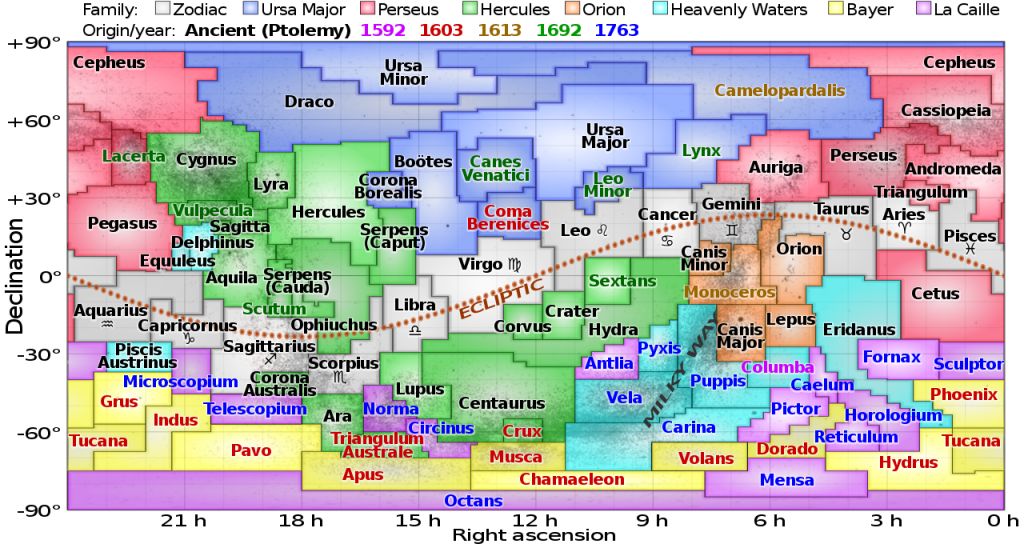


 Welcome to the Moon Lodge